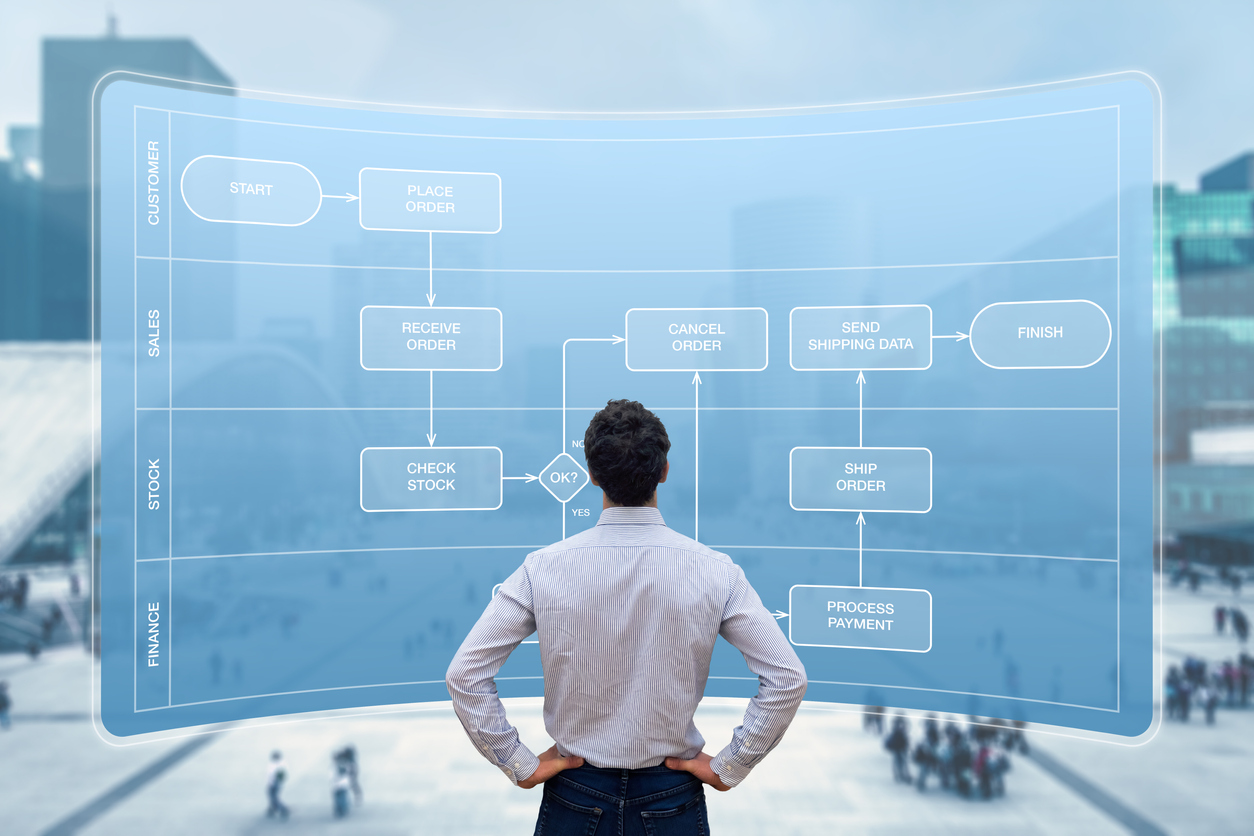
In today’s fast-paced electronic landscape, companies will have to approach information in true time, scale seamlessly, and deliver clean person encounters. Common request/reaction techniques normally drop small below these calls for. That’s where Function-Pushed Architecture (EDA) comes in—a layout paradigm centered around generating, detecting, consuming, and reacting to situations.
What exactly is Celebration-Driven Architecture?
Occasion-Pushed Architecture (EDA) is a contemporary software program layout solution that organizes methods throughout the thought of occasions. An function is any major change in state or event in just a procedure—such as a consumer putting an internet based get, a payment becoming accepted, or possibly a sensor recording a temperature spike. In lieu of services straight requesting details from each other, they convey by making and reacting to those situations.
In EDA, a few Main factors work with each other: occasion producers, occasion brokers, and occasion shoppers. Producers make functions Each time a thing significant takes place. These functions are sent to an function broker (including Apache Kafka, RabbitMQ, or AWS EventBridge), which acts because the central hub for distributing them. Customers then subscribe to and procedure the occasions relevant to them. For example, when an order is put, just one assistance may possibly take care of payment, Yet another may well update inventory, and a 3rd could ship the confirmation email—all brought on mechanically by precisely the same occasion.
The important thing advantage of this tactic is decoupling. Producers don’t need to have to learn which solutions will take in their events, and buyers may be included or taken out without having disrupting existing procedures. This flexibility permits programs to scale much more conveniently, integrate new functionality speedier, and react in serious time.
EDA is particularly helpful in fashionable use circumstances like e-commerce, financial transactions, Online of Items (IoT) units, and microservices architectures the place asynchronous communication and responsiveness are important. Nonetheless, it also introduces new complexities, for example managing party ordering, managing duplicates, and ensuring eventual regularity.
In essence, Event-Pushed Architecture shifts the focus from asking for information to reacting to alter. It enables firms to build application that is far more agile, scalable, and aligned with the dynamic, true-time mother nature of right now’s electronic globe.
When to work with Party-Driven Architecture
Celebration-Pushed Architecture (EDA) isn't a one particular-sizing-fits-all Remedy, but it really excels in circumstances in which responsiveness, scalability, and adaptability are essential. Realizing when to adopt this style and design solution might help businesses optimize its strengths though avoiding needless complexity.
The most effective use conditions for EDA is in real-time applications. Methods that demand quick responses—like fraud detection in banking, Stay notifications on social media marketing, or IoT equipment checking sensors—profit greatly from EDA’s ability to react The instant an event occurs. Instead of awaiting scheduled checks or manual triggers, events immediately drive steps.
EDA also thrives in really scalable environments. Because party producers and individuals are decoupled, Each individual ingredient can scale independently. This can make it notably worthwhile for e-commerce platforms, streaming companies, and journey-hailing apps, in which need can spike unpredictably. Methods can handle unexpected surges devoid of bottlenecks, as buyers could be scaled up to meet the load.
Another potent use scenario is intricate workflows across multiple devices. By way of example, in provide chain management, an get function can set off stock checks, delivery updates, and consumer notifications—all coordinated asynchronously without a one level of failure.
EDA can also be a purely natural in shape for microservices architectures. Microservices take advantage of loose coupling, and EDA delivers a means for them to speak proficiently with out building restricted dependencies. This brings about far more agile, resilient, and maintainable methods.
Having said that, EDA just isn't ideal For each scenario. For apps requiring rigorous, synchronous consistency—like some fiscal accounting systems—a ask for/reaction design may very well be less complicated and more reputable.
In summary, Event-Driven Architecture is most effective employed when systems must respond rapidly, scale dynamically, and cope with distributed processes seamlessly. It transforms apps from being passive info pollers into agile units that adapt immediately to alter.
Why Use Party-Driven Architecture?
Function-Pushed Architecture (EDA) offers considerable strengths for organizations aiming to create devices that are agile, scalable, and attentive to adjust. Compared with conventional request/response styles, EDA allows applications to react quickly to gatherings, rendering it well-suited for right now’s dynamic electronic environments.
Amongst the primary factors to utilize EDA is overall flexibility. Producers of gatherings don’t have to have to know who consumes them. This decoupling means that solutions can evolve independently. As an example, in case you insert a different assistance to mail force notifications when an get is put, it could possibly only subscribe to the prevailing buy celebration devoid of altering the producer or other people. This would make EDA perfect for techniques that must adapt and increase swiftly.
Yet another important advantage is scalability. Because components are loosely coupled, each can scale By itself based upon desire. Large-site visitors solutions, like payment processing in e-commerce, can handle spikes independently without the need of impacting unrelated devices for example inventory or analytics.
EDA also enhances resilience. If a shopper provider is temporarily down, the event broker makes certain that the function is stored and shipped once the service recovers. This cuts down the chance of information decline and makes it possible for methods to take care of features even when some pieces fall short.
In addition, EDA increases efficiency and performance. Programs don’t waste methods polling for updates. As an alternative, they act only when an party happens. This event-driven responsiveness creates more rapidly, smoother user activities, from immediate notifications to authentic-time analytics dashboards.
Lastly, EDA supports *uture-proofing. As corporations adopt Woltmann Programming new systems or business necessities emerge, they can easily increase new shoppers without the need of disrupting current procedures.
In short, employing EDA permits organizations to make methods that happen to be more adaptable, scalable, and aligned with true-time anticipations—crucial rewards in a planet where by agility frequently defines accomplishment.
Considerations Just before Adopting EDA
When Event-Driven Architecture (EDA) delivers adaptability, scalability, and resilience, It isn't without having troubles. Before adopting it, companies must thoroughly weigh the trade-offs and identify whether or not the benefits align with their demands and complex maturity.
An important thing to consider is complexity in design and operations. In contrast to request/response techniques, EDA relies on asynchronous conversation, which could make workflows more challenging to trace. Debugging will become extra elaborate, since identifying the root cause of an issue often requires tracing occasions across multiple services and event streams. Groups will have to spend money on sturdy checking and logging equipment to maintain visibility.
An additional aspect is event buying and duplication. In dispersed programs, functions might not usually arrive during the get they ended up developed, or they may be delivered much more than the moment. Builders must style idempotent consumers (equipped to manage duplicate events without the need of glitches) and account for prospective delays or inconsistencies.
EDA also introduces the idea of eventual regularity. While this is acceptable in several use circumstances, it can be problematic in devices that call for stringent, speedy accuracy, like sure fiscal accounting or compliance-driven apps. Companies will have to Consider whether or not their business enterprise processes can tolerate slight delays in details synchronization.
Ability requirements current An additional obstacle. Developing, deploying, and protecting EDA programs requires specialized knowledge in function brokers, messaging styles, and distributed devices. Teams might require additional teaching or new hires, which increases charges.
Finally, There exists The difficulty of infrastructure overhead. Occasion brokers and messaging platforms insert another layer to control. Though cloud companies offer you managed services like AWS EventBridge or Google Pub/Sub, counting on them may well increase fees and build vendor lock-in.
In summary, EDA is effective although not universally relevant. Businesses must take into consideration complexity, consistency requirements, infrastructure, and crew know-how prior to adoption. With the correct planning, EDA can produce huge value—with out getting to be an unwanted stress.
Summary
Event-Driven Architecture is over a buzzword—it’s a functional Option for setting up scalable, responsive, and resilient systems in an more and more actual-time planet. By comprehension when and why to implement it, enterprises can harness its strengths while avoiding pointless complexity. For several modern day programs, EDA isn’t just a choice—it’s turning out to be the normal.